
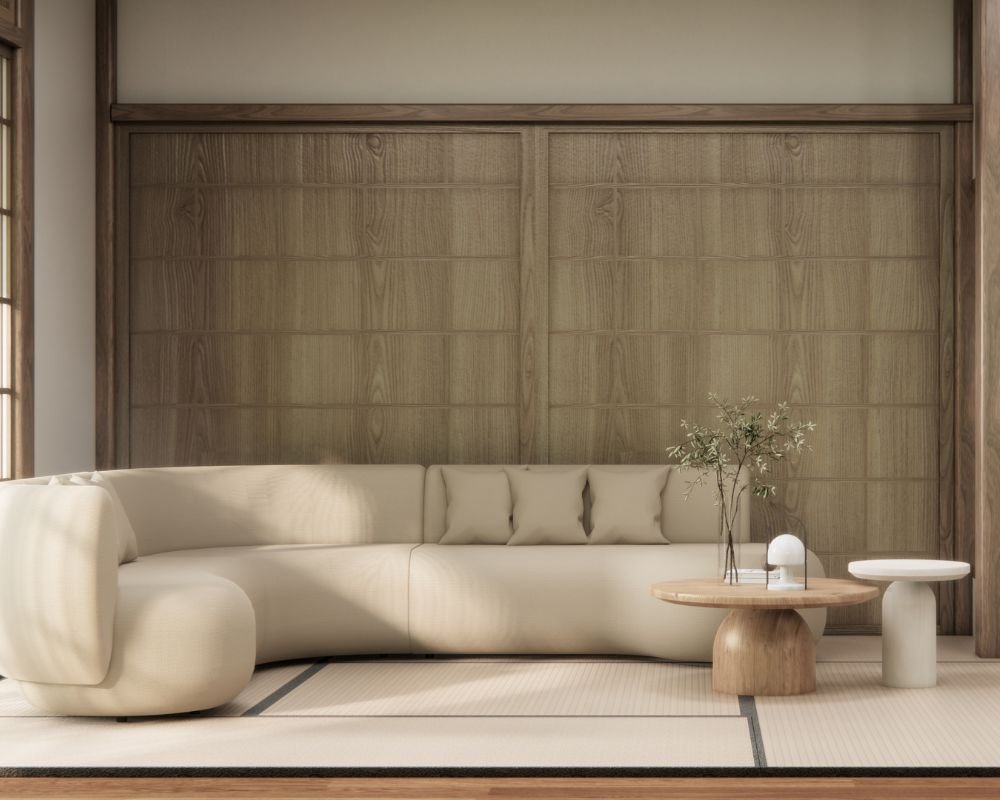
When it comes to designing your living space, one of the most important decisions involves furniture placement. Many people wonder: “Can you place furniture against a wall?” While it may seem like a simple decision, it’s important to follow certain placement rules to ensure that your space feels balanced, functional, and aesthetically pleasing. Let’s explore the advantages and disadvantages of placing against a wall and discuss key rules to help you create a stylish and comfortable room.
Furniture Renewal Quick-Reference
| Project Type | Difficulty | Estimated Time | Key Impact |
| Hardware Swap | Easy | 30 mins | Instant modern feel. |
| Paint/Stain | Moderate | 1-2 days | Complete color transformation. |
| Upholstery | Advanced | 3-5 days | Total comfort and style reset. |
Why Placing Furniture Against a Wall Can Be a Good Idea
- Maximizes Floor Space
One of the most common reasons people place diamond furniture against a wall is to maximize available floor space. Whether you have a small apartment or a spacious living room, pushing against the walls frees up more open space in the center, making the room feel larger. This layout works especially well in smaller rooms where space is limited, and you need to create the illusion of more room. - Creates a Clean and Tidy Look
Placing furniture against a wall can give the room a clean and organized look. By doing so, you eliminate unnecessary clutter and create a more streamlined environment. This setup works particularly well for modern or minimalist décor styles that emphasize simplicity. - Improved Traffic Flow
Another benefit of placing against a wall is the improvement of traffic flow. In larger spaces, having pieces pushed to the perimeter of the room can make it easier to move around. This layout also prevents the pieces from obstructing pathways and keeps the center of the room clear for easy movement.
The Drawbacks of Placing Furniture Against a Wall
While there are several benefits to placing furniture against a wall, this arrangement may not be suitable for every room. Here are some potential drawbacks to consider:
- Lack of Conversation Areas
One of the disadvantages of placing furniture against the wall is that it may discourage interaction and conversation. When seating is lined up along the walls, it creates a more isolated and less inviting feel, which can hinder social interaction. In contrast, arranging seating in a circular or semi-circular shape encourages conversations and gatherings. - Potentially Boring Aesthetic
While placing furniture against a wall can help create a neat look, it may also result in a more static and uninviting room. For a dynamic and visually appealing layout, you may want to consider positioning your pieces in a way that creates interest and flow, such as angling pieces or creating focal points in the room.
Key Rules for Furniture Placement Against a Wall
If you decide to place furniture against a wall, there are several key placement rules to follow to ensure the room still feels balanced, functional, and visually engaging:
1. Leave Space Between the Wall and Furniture
One mistake many people make when placing furniture against a wall is pushing it too close to the wall. While it may seem like this maximizes space, it can make the room feel cramped and uncomfortable. Ideally, leave a few inches between the pieces and the wall to create a sense of openness. This also helps with airflow and prevents the decor from appearing too rigid.
2. Consider the Room’s Focal Point
Whether your living room has a fireplace, a large window with a scenic view, or an entertainment center, always consider the room’s focal point. Ideally, place your pieces in a way that highlights this focal point, even if its against the wall. For instance, angle a sofa or chairs slightly to face the focal point, creating a more engaging and cozy atmosphere.
3. Use Rugs to Define Spaces
If your room has an open-plan layout, placing it against a wall can sometimes make the space feel disconnected. To prevent this, use a large rug to anchor the seating area and define different zones in the room. A rug can visually separate the sitting area from the rest of the room, adding warmth and texture.
4. Ensure Proper Lighting
Lighting plays an important role in creating ambiance in any room. When you place furniture against a wall, ensure that the room is well-lit to avoid shadows and dark corners. Consider using floor lamps, table lamps, or wall sconces to add layers of light and highlight key areas, such as the seating or décor.
5. Avoid Overcrowding
It’s important to avoid overcrowding the room with too much furniture. When placing against a wall, give each piece enough space to breathe and allow for smooth movement. This helps maintain a balance between functionality and aesthetics. An overcrowded room can feel cramped and cluttered, diminishing the overall appeal.
6. Use Accent Pieces to Add Depth
If you’re worried that placing furniture against a wall might make the room feel too flat, try adding some depth with accent pieces. Wall art, mirrors, or tall plants can create a sense of dimension and draw attention away from the wall, adding a layer of visual interest.
Alternatives to Placing Furniture Against the Wall
If you find that placing furniture against a wall doesn’t suit your needs, consider these alternatives:
- Floating Furniture Arrangement: Instead of pushing against the wall, try arranging it in the center of the room. This allows for more intimate conversation areas and creates a dynamic flow. Floating pieces work especially well in large rooms where you can create distinct zones.
- Corner Arrangement: If you have limited space but still want to avoid placing furniture against the wall, try using corners creatively. This can help maximize floor space while still maintaining a more open feel.
- Use Furniture with Open Legs: Consider using pieces with open legs or raised platforms to create a sense of space underneath. This opens up the room and gives it a more airy and open feel.
Conclusion
Placing furniture against a wall is a popular design choice that can help you maximize floor space, create a tidy look, and improve traffic flow. However, it’s important to follow key placement rules, such as leaving space between the wall and the pieces, considering the room’s focal point, and adding accent pieces to enhance the room’s depth.
Whether you choose to place furniture against a wall or experiment with alternative arrangements, the ultimate goal is to create a space that reflects your personal style and meets your needs. By following these tips and rules for placement, you can transform your space into a comfortable, welcoming, and stylish retreat.
FAQs
- Is it a good idea to place furniture against a wall?
Not always. While placing furniture against a wall can maximize space in smaller rooms, it may make larger rooms feel disconnected. Floating furniture arrangements often create better conversation areas and improve room flow.
- What are the benefits of placing furniture against a wall?
Placing furniture against a wall helps create more open floor space, improves traffic flow, and works well in compact rooms or apartments where maximizing usable space is essential.
- When should you avoid placing furniture against walls?
You should avoid it in large living rooms or open-plan spaces where pulling furniture away from walls can create a more balanced, cozy, and functional layout.
- How far should furniture be from the wall for the best layout?
If not placed directly against the wall, leaving 6 to 12 inches of space can improve aesthetics, allow better airflow, and create a more intentional and designer-style arrangement.