
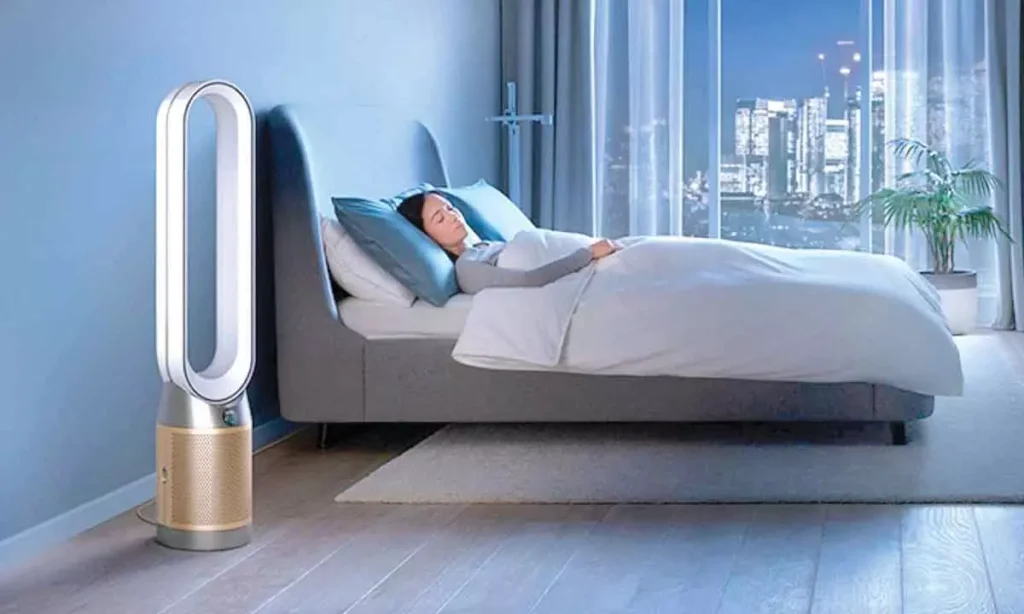
We’ve all been there: tucked into bed, scrolling through “one last” video, telling ourselves it’s just a way to wind down. But those digital habits—and the room around you—are often waging a silent war on your sleep cycle.
If you’re struggling to drift off, tossing and turning, or waking up feeling like you never slept at all, your bedroom setup might be the real culprit. From the “glow” in your hand to the warmth of your sheets, every detail counts. Here is how to audit your space and fix your sleep hygiene for the rest you actually need.
1. The Blue Light Problem: Why Your Brain Thinks It’s Morning
Blue light is probably the biggest sleep-wrecker of the modern age. Your phone, tablet, and TV all emit short-wavelength light that mimics the sun. This tricks your brain into thinking the day is just starting, which puts the brakes on melatonin—the hormone that tells your body it’s time to pass out.
- The Reality: Scrolling right before bed can delay sleep by over an hour and mess with your deep REM cycles.
- The Fix: Set a digital curfew. Put the screens away at least 60 minutes before you want to be asleep. If you absolutely have to use a device, turn on a blue light filter, but honestly? An old-school paper book is a much better bridge to dreamland.
2. Noise & Clutter: The Hidden Stressors
To get into that deep, restorative sleep, your nervous system needs to feel totally at ease. Noise and visual mess keep your brain in a “low-power” alert mode, stopping you from fully shutting down.
- The Noise Factor: Sudden sounds—like a car honking or a neighbor’s TV—can cause “micro-wakings.” You might not even remember them, but they’re why you feel groggy the next morning.
- The Clutter Factor: A messy room feels like “unfinished business” to your subconscious, which can spike your stress levels right when you should be relaxing.
- The Fix: * Sound: Try a white noise machine or a simple fan to create a consistent “audio blanket” that masks outside noise.
- Space: Spend just five minutes clearing off your nightstand and the floor before you jump in bed. A clear room usually leads to a clear head.
3. Temperature & Lighting: Working With Your Biology
Your body’s internal clock is hardwired to follow the setting sun and the cooling air. If your room is too bright or too stuffy, you’re basically fighting your own DNA.
Dial in the Temperature
Studies show the “sweet spot” for sleep is actually quite cool—somewhere between 60–67°F (15–20°C). Your core temperature needs to drop slightly to trigger sleep.
- The Fix: Swap out heavy synthetics for breathable fabrics like cotton or linen. If you’re a “hot sleeper,” a cooling mattress topper can be a lifesaver.
Soften the Lighting
Bright overhead lights are a shock to the system in the evening. As the sun goes down, your indoor lights should follow.
- The Fix: Trade those harsh LED bulbs for amber or warm-toned lamps. Once it’s time for shut-eye, use blackout curtains to turn your room into a total “darkroom.”
Conclusion: Build Your Own Sleep Sanctuary
Good sleep isn’t just about how many hours you’re in bed; it’s about the environment you give your body to recover in. By cutting down blue light, muffling ambient noise, and keeping things cool, you can turn your bedroom from a place of stress into a true recovery zone.
Small shifts make a huge difference. Try dimming the lights and docking your phone in another room tonight—your brain will thank you in the morning.