
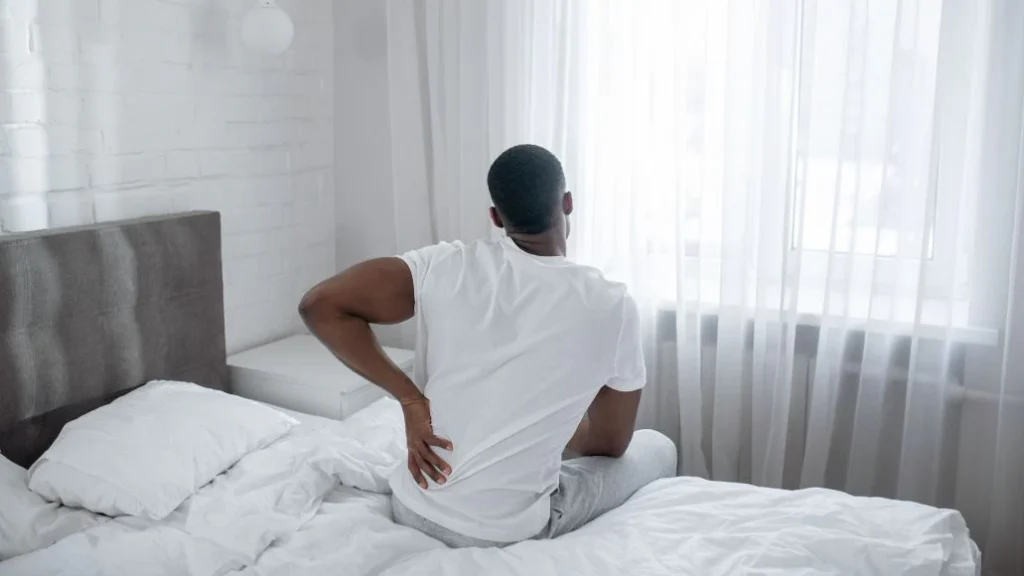
At 7:00 AM, it can be an excruciatingly painful task to crawl slowly out of bed with an aching back that feels like a rusty hinge. Most will quickly point the finger at getting older or at long hours spent sitting hunched over in an office chair before exercising yesterday for feeling stiff in the mornings.
Now let’s try looking at it from another angle: if your lower back pain goes away after 30 minutes of movement, that doesn’t indicate an issue with age; rather, it points towards your mattress as the cause. Many people suffer silently with chronic morning discomfort because they sleep on too old of a surface.
Signs Your Bed Is Cheating on You
Are you unsure if your discomfort stems from your own actions or the mattress itself? Check for these telltale clues that could indicate it:
- Morning Reset: If your back hurts when you first wake up but has subsided by the time you’ve had your morning coffee, that could be an indicator that your support wasn’t sufficient during the night.
- Remove your sheets and inspect the surface to detect any dips or sags on its surface, such as dips or sags in the middle or small “taco”-shaped dips that could put undue stress on your spine for eight consecutive hours straight. Even small dips can make your back bend unnaturally for eight hours straight if they cause spinal pressure points to form on the spine.
- Hotel Epiphany: Have you noticed that when on vacation or staying in a guest room, your back feels better on any other bed than your own? If this is true for you, your mattress may no longer provide adequate support and should be considered structurally unsound.
Why “Firm” Isn’t Always the Answer
When suffering from back pain, the most common mistake is purchasing the hardest mattress available, which may not always help! A mattress that’s too hard can leave gaps under your lower back that leave it exposed, leaving your lumbar spine free to move about in space!
What the body needs most is contoured support, which is where high-performance engineering comes into play. A good orthopedic surface should offer firm but soft support where your hips and lower back need it, providing relief where necessary (your shoulders). This balance keeps your spine in its “neutral” position, helping your muscles relax fully overnight for healing purposes.
Picking the Ideal Surface for Recovery
High-density foam is an invaluable asset when it comes to sleeping health, providing optimal spinal alignment. Budget-grade foams tend to flatten out when heated, while HR materials are designed to push back.
Beds designed in line with orthopedic principles will ensure that your weight is distributed evenly over the surface, relieving stress from pressure points. No matter if you prefer memory foam’s soft touch or medicated diamond foam core’s firm support, their goal remains the same: providing you with a support base that remains supportive no matter how you sleep.
Final Step: Take Back Your Mornings
Don’t allow your mattress to make you feel older before your time. Your bed should be an environment in which to heal, not one that causes stress. If you have been “muscling through” pain without finding relief, not only are you losing sleep, but this stress puts undue strain on long-term health issues as well. The solution is easier than you think! Simply switch to an orthopedic surface like Supreme Ortica mattress to “reset” your comfort clock and find relief at last.
Don’t put up with stiff morning wake-ups; find something that supports and accommodates the best version of yourself, and you will notice results before hitting the ground. Your back will thank you right away.